
Slemani Museum: A Complete Guide to the Collection
The Slemani Museum in Sulaymaniyah holds some of the most significant archaeological objects ever found in the Kurdistan Region of Iraq. Whether you are a history enthusiast, a student of ancient civilizations, or a first-time visitor, understanding what is inside the museum before you arrive makes the experience far richer.
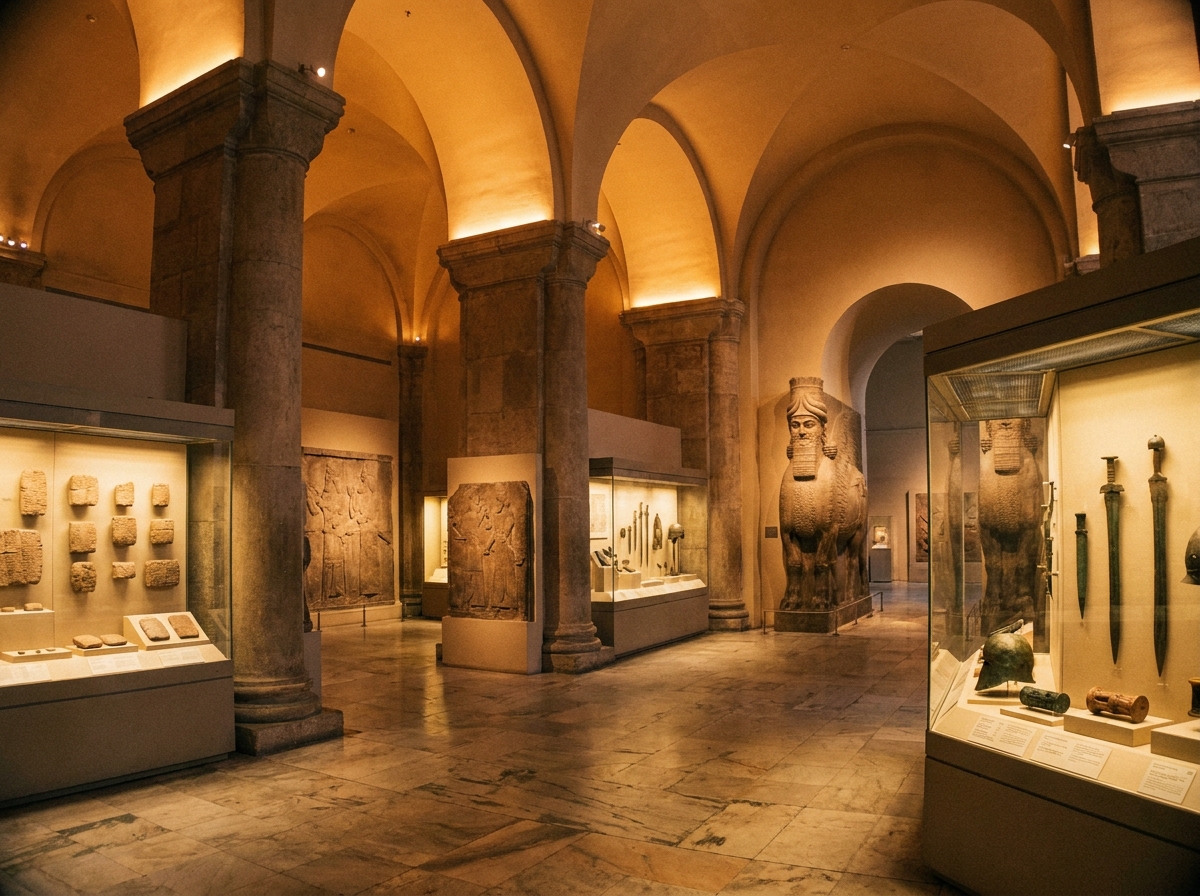
What Is the Slemani Museum?
The Slemani Museum — formally known as the Sulaymaniyah Museum — is the second-largest museum in Iraq, after the Iraqi National Museum in Baghdad. It opened on July 14, 1961, and moved to its current building on Salim Street in 1980. The single-storey building covers approximately 6,000 square metres and houses thousands of artifacts spanning from prehistoric times through the late Islamic and Ottoman periods.
After years of closure during regional conflict, the museum was officially reopened on August 20, 2000, by Jalal Talabani, Secretary-General of the Patriotic Union of Kurdistan. Since then, it has become a cornerstone of cultural preservation in the region.
Prehistoric and Neolithic Objects
The oldest items in the collection take visitors back more than 10,000 years. The Kurdistan Region sits within the Fertile Crescent — the arc of land where some of the earliest human settlements in the world developed. The museum displays:
- Flint tools and blades used by early hunter-gatherer communities
- Pottery fragments from Neolithic agricultural villages
- Animal bones and grinding stones that illustrate early food production
- Clay figurines associated with early fertility and ritual practices
These objects come from excavation sites across the Zagros Mountain foothills, a landscape where wild ancestors of wheat, barley, and domesticated animals first appeared.
Cuneiform Tablets and Writing
One of the most important categories of artifacts in the Slemani Museum is its collection of cuneiform tablets. Cuneiform is one of the earliest writing systems in the world, developed by Sumerian scribes in Mesopotamia around 3,400 BCE. The tablets in the collection cover:
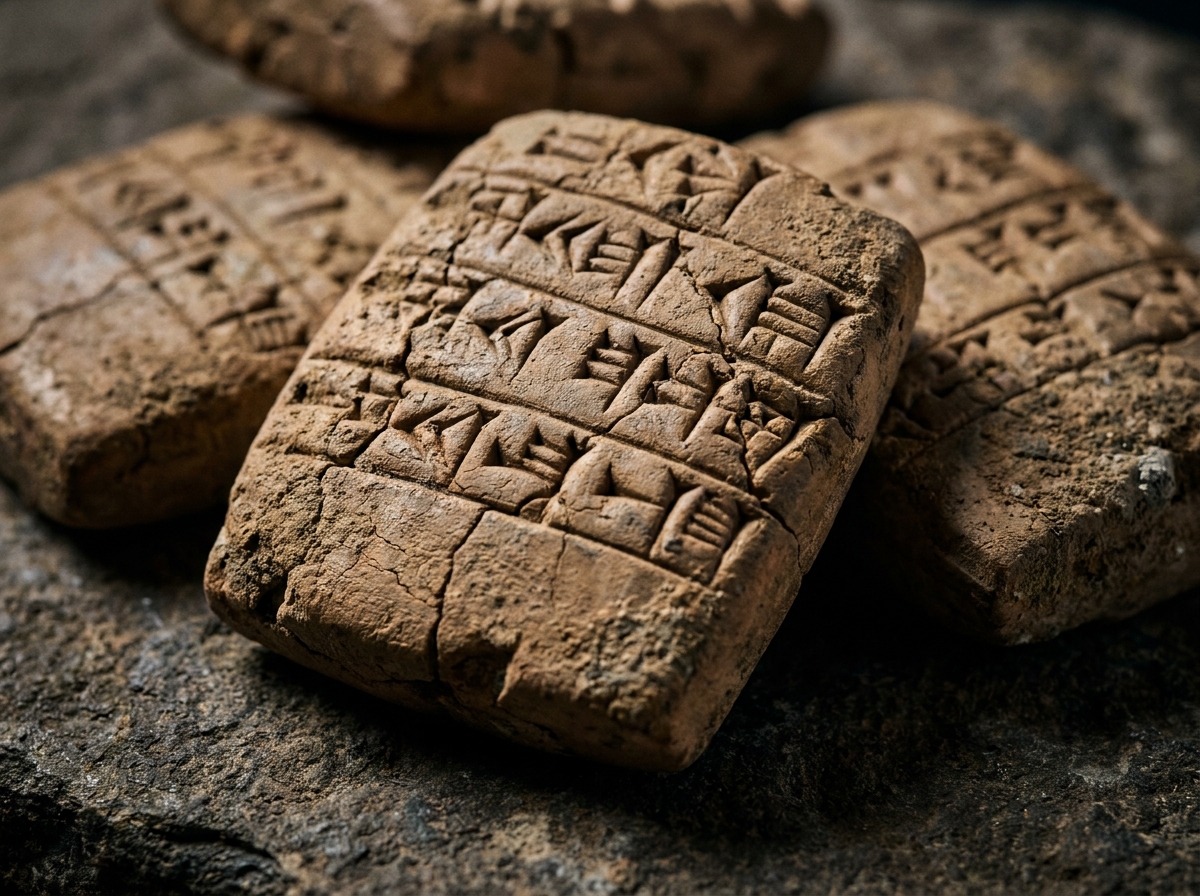
- Administrative records tracking grain, livestock, and trade goods
- Legal documents including contracts and land ownership records
- Mythological and literary texts related to early Mesopotamian religion
- Royal inscriptions commissioned by Akkadian and Neo-Assyrian rulers
These small clay tablets, pressed with a reed stylus, encode the economic and intellectual life of ancient societies. For scholars, they are primary sources on everything from taxation to cosmology. For deeper historical context on how these civilisations shaped the ancient world, see our guide to the Mesopotamian civilizations collection.
Bronze Age and Iron Age Collections
The museum’s Bronze Age and Iron Age collections reflect the long period of urban development that followed early farming communities. Visitors can explore:
- Bronze weapons and tools — daggers, spearheads, axes, and sickles
- Gold and silver jewellery — rings, bracelets, torques, and earrings found in burial sites
- Ceramic vessels — storage jars, drinking cups, and ritual bowls
- Cylinder seals — small stone objects engraved with scenes used to mark ownership
Many of these objects were recovered from cemeteries and temple sites in the wider Sulaymaniyah region, where excavations have documented continuous human occupation across several millennia.
Assyrian and Babylonian Heritage
The museum preserves important material from the Assyrian and Babylonian periods, when powerful empires controlled much of the ancient Near East. The Neo-Assyrian Empire (911–609 BCE) in particular left a deep imprint on the region. Artifacts from this era include:
- Carved stone reliefs depicting royal hunts, military campaigns, and religious ceremonies
- Inscribed bricks from temple and palace construction projects
- Terracotta figurines used in household shrines
- Seal impressions and administrative documents from Assyrian provincial centres
The area around modern Sulaymaniyah was part of the Assyrian heartland, making local excavations particularly productive for this period.
The Role of the Museum in Protecting Iraqi Heritage
The Slemani Museum played a notable and sometimes controversial role following the 2003 invasion of Iraq and the subsequent looting of the Iraqi National Museum in Baghdad. In the years that followed, the Sulaymaniyah Museum reportedly purchased artifacts that had been smuggled out of Iraq, with the stated purpose of returning them to the country rather than allowing them to disappear into private collections abroad.
This approach attracted international attention and debate. Regardless of the legal and ethical questions involved, the museum’s collection of repatriated objects now includes pieces that would otherwise have been permanently lost to Iraqi and Kurdish culture and heritage.
The Museum’s Ethnographic Collections
Beyond its archaeological holdings, the museum also documents the living traditions of the Kurdish people. Garments, jewellery, and weaving tools share space with ancient artifacts — forming a bridge between Mesopotamian history and the region’s present. Visitors with an interest in how this material culture connects to daily life should also explore the story of Kurdish traditional dress, which remains an important part of ceremonial life in Sulaymaniyah today.
Planning Your Visit
Slemani Museum is located in the centre of Sulaymaniyah city, in the Kurdistan Region of Iraq. The museum is open Saturday through Thursday from 9:00 AM to 1:00 PM. Admission is free for all visitors.
- Guided tours can be arranged, particularly for educational and research groups
- Photography policies vary by section — check with staff before photographing objects
- Labels and signage are primarily in Kurdish and Arabic, with some English descriptions in key sections
Frequently Asked Questions
What is the Slemani Museum famous for?
The Slemani Museum is famous for its cuneiform tablet collection, Bronze Age artefacts, Neo-Assyrian carved reliefs, and repatriated objects recovered after the 2003 Iraq conflict. It is the second-largest museum in Iraq.
Is the Slemani Museum free to visit?
Yes. Admission to the Slemani Museum is free for all visitors. The museum is open Saturday through Thursday, 9:00 AM to 1:00 PM.
How old are the oldest objects in the Slemani Museum?
The oldest objects in the collection date back over 10,000 years, from Neolithic agricultural communities in the Zagros Mountain foothills — one of the earliest settled regions in human history.
What is a cuneiform tablet?
A cuneiform tablet is a small clay object pressed with a reed stylus to record text in one of the world’s oldest writing systems. Developed in Mesopotamia around 3,400 BCE, cuneiform tablets recorded everything from grain accounts to epic literature.
