
Visiting Slemani Museum: Complete Travel Guide for History Travellers (2026)
Sulaymaniyah — or Slemani, as it is known in Kurdish — is one of the most historically rich cities in the Kurdistan Region of Iraq, and increasingly one of the most welcoming destinations for travellers interested in ancient history and cultural heritage. At its centre is the Slemani Museum, one of the most important archaeological museums in the broader Mesopotamian world and the cultural heart of the city.
If you're planning a visit in 2026, this guide covers everything you need to know: what the museum holds, how to plan your time, how to get to Sulaymaniyah, and what to know about travelling in the Kurdistan Region.
What Is Slemani Museum?
Slemani Museum is the principal archaeological and cultural history museum of the Kurdistan Region of Iraq. Founded in the mid-20th century, the museum holds tens of thousands of artefacts spanning more than seven millennia of human occupation in the region — from Neolithic tools through Sumerian, Babylonian, and Assyrian civilisations, into Islamic-era art and Kurdish cultural heritage.
The museum is organised across several departments and halls, covering:
- Prehistoric artefacts — stone tools, pottery, and early settlement evidence from sites throughout the region
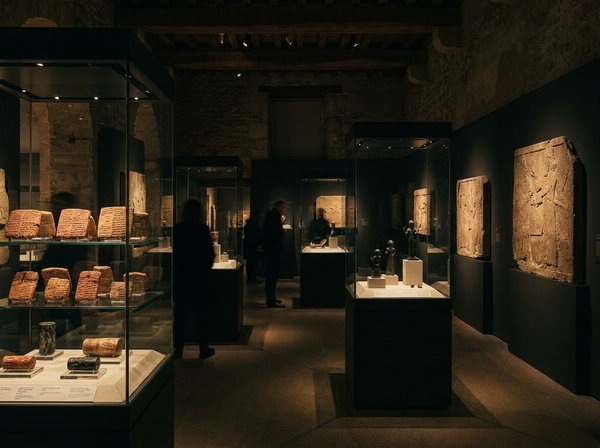
- Mesopotamian civilisations — cuneiform tablets, cylinder seals, bronze weapons, carved reliefs, and objects from major sites including Jarmo and Tell Hassuna
- Islamic-era art — ceramics, metalwork, manuscript illuminations, and coins from the medieval Islamic periods
- Kurdish cultural heritage — traditional textiles, jewellery, musical instruments, and objects from Kurdish domestic and ceremonial life
- Natural history collections — geological specimens and biological collections from the Kurdistan Region's diverse ecosystems
For serious archaeology and history enthusiasts, Slemani Museum is not a secondary destination — it holds material of genuine scholarly significance, much of it from sites that are not well represented in major Western museums.
Highlights You Shouldn't Miss
The Mesopotamian Civilisations Hall
This is the collection most visitors come specifically to see. Cuneiform tablets, cylinder seals, and inscribed objects from Sumerian, Akkadian, Babylonian, and Assyrian civilisations sit alongside ceramic vessels, bronze figurines, and carved reliefs. The objects here range from everyday economic records to ritual and ceremonial pieces — a cross-section of ancient Mesopotamian life rather than just its monumental achievements. Our detailed guide to Mesopotamian civilisations from Sumer to Assyria provides context for what you'll see in this collection.
Kurdish Traditional Dress and Textiles
The Kurdish cultural collections at Slemani Museum are among the most complete in existence. Traditional Kurdish clothing — particularly the richly embroidered and regionally distinct costumes of different Kurdish communities — is preserved here alongside jewellery, woven textiles, and ceremonial objects. This material is not just decorative; it's a record of cultural identity, regional variation, and centuries of artistic tradition. Our page on Kurdish traditional clothing provides background on what you'll encounter.
Archaeological Maps and Site Reconstructions
The museum includes cartographic and site documentation material from major archaeological excavations in the Kurdistan Region. For visitors interested in the broader landscape of Mesopotamian archaeology — where sites are located, what has been excavated, how the region connects to the wider ancient world — this contextual material is valuable orientation.
Practical Information for Visitors
Location
Slemani Museum is located in central Sulaymaniyah (Slemani), the second-largest city in the Kurdistan Region of Iraq, approximately 260 km northeast of Baghdad and 160 km southeast of Erbil. The museum is walkable from central Sulaymaniyah hotels and easily reached by taxi from anywhere in the city.
Opening Hours
The museum is generally open Saturday through Thursday, with Friday as the weekly day of rest. Hours are typically 9:00 AM to 3:00 PM, though these are subject to seasonal adjustment and official holiday closures. Visitors are strongly advised to verify current opening hours directly with the museum before planning their visit, as hours can vary.
Admission
Admission fees are modest and accessible. Separate fees may apply for certain special collections or photography permits. Contact the museum directly for current 2026 admission information.
Photography
Photography is generally permitted in most areas of the museum. Flash photography and tripod use may be restricted in some collections. Ask at the entrance for the current photography policy.
Language
The museum's primary labels and materials are in Kurdish (Sorani) and Arabic. English-language labels are present in key areas and are being expanded. Hiring a local guide or visiting with someone who reads Kurdish significantly enhances the experience for non-Arabic/Kurdish speakers. The museum may be able to arrange English-language guided visits — enquire in advance.
Getting to Sulaymaniyah
By Air
Sulaymaniyah International Airport (ISU) receives direct flights from Erbil, Baghdad, Istanbul, and several European cities, with the route network continuing to expand. Erbil International Airport (EBL), the larger hub of the Kurdistan Region, is approximately 2.5 hours by road and has a wider range of international connections.
By Road
Sulaymaniyah is connected to Erbil by a good quality highway — the drive takes approximately 2.5–3 hours. Regular shared taxis and buses operate between the two cities. Travel within the Kurdistan Region is generally comfortable and well-organised by regional standards.
Staying in Sulaymaniyah
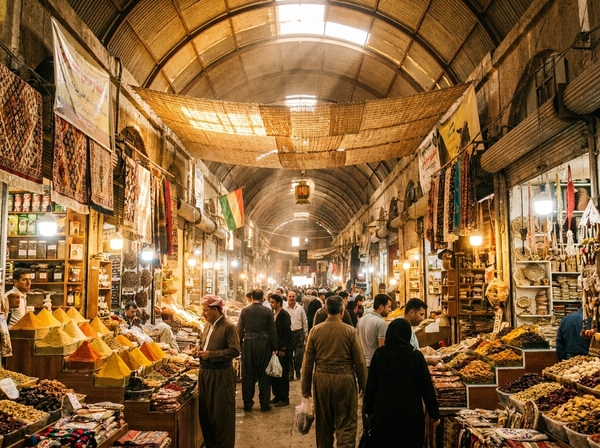
Sulaymaniyah has developed a solid range of accommodation options in recent years, from international-standard hotels to comfortable mid-range guesthouses. The city has a lively café and restaurant culture — the so-called "city of culture" reputation in Kurdistan is well deserved. The bazaar (Sulaymaniyah Grand Bazaar) is a must-visit for its extraordinary variety of goods, food, and atmosphere.
Sulaymaniyah is widely considered the most culturally open and visitor-friendly city in the Kurdistan Region, with a vibrant arts scene, galleries, bookshops, and a strong tradition of intellectual and creative life.
Safety and Travel in the Kurdistan Region
The Kurdistan Region of Iraq operates largely independently of the rest of Iraq and has maintained a significantly different security environment. Sulaymaniyah, Erbil, and Duhok have welcomed tourists and business travellers for years with no major incidents. That said, travellers should check their government's current travel advisory for the Kurdistan Region before booking, as broader regional conditions can shift.
Most visitors to the Kurdistan Region report being genuinely welcomed — Kurds have a strong hospitality tradition, and foreign visitors interested in their history and culture are received with warmth. The Slemani Museum staff in particular are known for their openness to visitors and their pride in the collection they maintain.
Connecting History at Slemani Museum
A visit to Slemani Museum is most rewarding when you arrive with some context for what you'll see. Our pages on Kurdish culture and heritage and the full museum collection provide that background before you arrive. The museum experience then becomes a recognition of things you already partly know — an encounter with objects whose context and significance you can actually read.
Slemani Museum is the kind of institution that rewards preparation and thoughtful attention. For anyone genuinely interested in the ancient world — and in a living culture with deep roots in one of history's most consequential regions — it is a destination worth travelling specifically to visit.
